Honkai: Star Rail
- 3.8
- Rating
- 10.00M
- Installs
- Free
- Price

 Analysis by App-foxy
Some games feel like a collection of menus with a story attached. Honkai: Star Rail gave me the opposite impression: its menus, battles, characters, and locations all seem designed to support a particular mood. It is a turn-based adventure RPG from COGNOSPHERE PTE. LTD., but that description only covers the skeleton. The experience is really about moving through strange worlds, meeting sharply designed characters, and making tactical choices while the game constantly shifts between space opera, comedy, mystery, and melancholy.
I approached it expecting a mobile role-playing game that would be easy to play in short sessions. It can work that way, but it also asks for attention when its story becomes more involved. The result is a game that suits players who enjoy atmosphere and character-driven journeys as much as combat. It is free to start, rated Teen, and supports devices running Android 6.0 or later. The current version is 4.0.0, and the app has passed ten million installs, so it is clearly built for a broad audience rather than a tiny niche.
My first reaction was that the presentation does a lot of heavy lifting. The environments are colorful without becoming visually noisy, the character animations give battles a sense of occasion, and the camera frequently frames ordinary travel like a scene from a larger science-fiction adventure. I did not always agree with the pacing, but I rarely felt that the game lacked a clear identity. That consistency is its strongest quality.
You May Also Like

 AccuWeather: Weather Radar
AccuWeather Review: A Quick, Clear Forecast for Everyday Decisions
For everyday plans, the best forecast is the one you can understand quickly. AccuWeather makes rain timing, radar, and local conditions easy to act on, with a few trade-offs.

 Hill Climb Racing
Why Hill Climb Racing Still Turns Crashes Into One More Run
A tiny car, a bumpy hill and one more upgrade: Hill Climb Racing keeps resurfacing because its simple chaos makes every near-miss feel personal.

 AliExpress - Shopping App
AliExpress Makes Global Shopping Feel Personal, but Shoppers Bear the Risk
AliExpress turns a global marketplace into a pocket-sized discovery engine. Its reach is useful, its shopping loop compelling, and its trade-offs easy to miss.

 Lords Mobile: Kingdom Wars
Lords Mobile Is a Kingdom-Building Routine, Not a Quick Match
A case-by-case verdict on the building, battles, device demands, and social commitments that make Lords Mobile rewarding for some players and exhausting for others.

 PDF Scanner app - TapScanner
TapScanner Makes Paperwork Easier to Capture, Check, and Share
TapScanner makes scanning with a phone feel less like a rescue operation and more like a dependable step in getting work done. Its capture tools are useful, though not flawless.

 Block Blast!
 Shows How Much a Puzzle Game Can Leave Out
A quiet grid game shows why puzzle players increasingly value instant clarity, repeatable skill and low-pressure play—and where the genre still needs to catch up.
More From Our News Desk
View All News


A cosmic setting with a very deliberate visual language
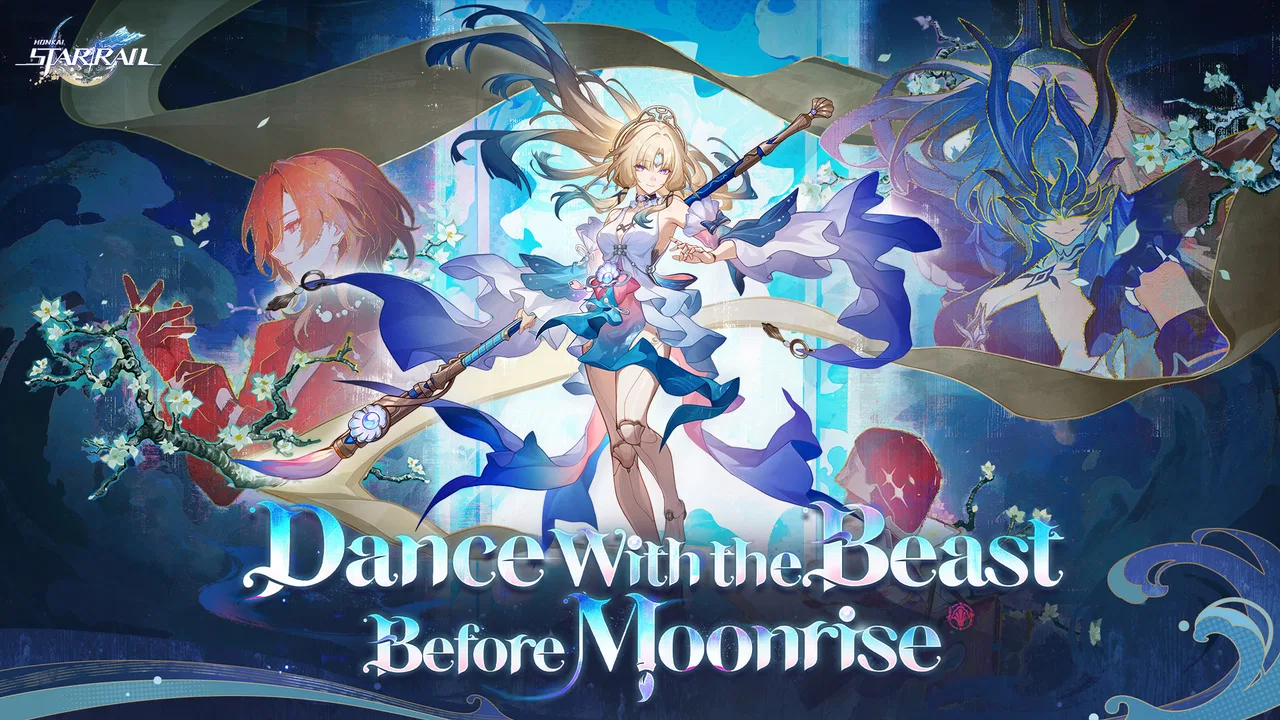
The world is presented as a journey aboard the Astral Express, with each destination offering its own visual vocabulary. Instead of treating science fiction as a single style, the game moves between industrial spaces, grand civic areas, mysterious ruins, and more surreal locations. This variety keeps exploration from feeling like a repeated corridor with different colors applied to it.
What stood out to me is how much information the art direction communicates before the dialogue explains anything. A crowded station suggests routine and commerce. A damaged district feels tense through its architecture and lighting. A ceremonial space can appear beautiful while still hinting that something is being concealed. I found myself reading environments as part of the story rather than simply walking through them to reach the next objective.
The characters fit this approach. Their clothing, silhouettes, weapons, and animations are exaggerated enough to remain recognizable, but many designs also reflect the places and ideas connected to them. That helps the large cast feel less like a random collection of costumes. Even when I was not immediately interested in a character’s personality, the visual design usually gave me a reason to remember them.
The game also understands the value of contrast. A serious conversation may be followed by a deliberately silly interaction, while a bright location can contain a grim piece of history. I enjoyed these changes when they felt intentional. They prevent the setting from becoming emotionally flat, although they can also make the tone feel uneven if I wanted a continuous dramatic mood.
Exploration is more structured than in a fully open-world game. I move through connected areas, investigate objects, collect materials, solve small environmental problems, and follow story markers. That limitation is important to understand before downloading it. If you want a huge uninterrupted landscape with complete freedom to climb and wander, this is not the same kind of experience. Its spaces are designed around scenes, encounters, and controlled discovery.
For me, that structure worked because it protected the game’s pacing. The developers can place a conversation, an enemy group, a treasure, and a visual reveal in a deliberate sequence. The trade-off is that exploration sometimes feels like moving between authored set pieces rather than discovering a world on my own terms.
Why the presentation works better than the premise alone
The premise could easily have become overloaded. There are cosmic forces, unusual technologies, competing groups, personal tragedies, and playful side characters. What keeps it readable is the way the game gives each place a strong visual and social identity. I usually knew what kind of emotional space I was entering before the plot spelled it out.
A useful tip is to slow down in new areas instead of rushing directly between objectives. Optional conversations and environmental details often make the setting more understandable, especially when a location initially seems confusing. I also found that returning to familiar hubs after story events can make the world feel more alive, because characters and available interactions may reflect what has just happened.
That habit matters for players who mainly care about combat. The battles are enjoyable on their own, but the setting gives them context. A fight in a sterile facility, a frozen settlement, or a dreamlike district does not feel identical because the surrounding mood changes how I interpret the encounter.
Sound design that gives travel and combat their own rhythm
The music is one of the clearest reasons the game feels larger than a typical mobile RPG. Tracks are not used only to make battles exciting. They establish the personality of locations, underline moments of uncertainty, and give quieter scenes room to breathe. I often remembered a place through its sound before I remembered its map layout.
There is a useful range in the soundtrack. Some scenes lean into orchestral drama, while others use more modern or unexpected textures. That variety supports the game’s habit of changing moods. A tense mission can feel urgent without becoming exhausting, and a humorous sequence can use a lighter musical attitude without turning the entire world into a joke.
Combat has its own audio identity. Attacks have enough impact to make turn selection feel active, and special abilities are presented like small performances. I appreciated that the game does not rely entirely on speed to create excitement. Because the battle system is turn-based, sound and animation help give weight to decisions that might otherwise feel like selecting commands from a list.
This is also where the game’s pacing becomes noticeable. I can play several encounters quickly when the opponents are familiar, but major actions may include elaborate animations and voice work. That presentation is satisfying during important fights. During routine farming, however, it can make repeated tasks feel slower than I would like.
My practical advice is to separate story play from maintenance play. When I am following a new chapter, I let the scenes and battle presentation run because they contribute to the mood. When I am collecting upgrade materials or clearing familiar enemies, I use the available convenience options and avoid treating every encounter as a dramatic event. The game is more enjoyable when I accept that it has two rhythms instead of expecting every activity to move at the same speed.
Sound also affects whether the game works in everyday situations. I could imagine playing it during a commute or a short break, but story scenes are easier to appreciate somewhere quiet. If I only have a few minutes and need to play silently, the experience remains functional, yet some of the emotional impact is lost. This is not a problem unique to mobile games, but it matters here because audio is part of the game’s storytelling language.
When the atmosphere becomes a practical advantage
The strongest use case is a player who wants a game that can alternate between focused sessions and relaxed routine. On a busy day, I can spend a short period improving characters or completing simple tasks. When I have more time, I can enter a new area and let the narrative carry me through several scenes. The same account supports both habits, although the deeper story content rewards uninterrupted attention.
One realistic routine would be playing during a lunch break: complete a few manageable activities, use accumulated resources, and stop before beginning a long story sequence. In the evening, I could return with headphones and continue the main journey. This approach avoids the frustration of starting a substantial scene when I know I will have to leave immediately.
Turn-based combat that rewards planning without demanding constant speed
The battle system is the mechanical center of the game, and I found its best quality in the way it turns team building into a series of small decisions. Characters have different combat roles and damage types, enemies have weaknesses, and timing matters. I am not simply choosing the strongest-looking attack; I am deciding whether to break an enemy’s defenses, protect a vulnerable ally, build toward a powerful ability, or finish a target before it takes another turn.
That structure makes battles approachable at first. I can use automatic actions in easier encounters and still understand the basic flow. As opponents become more demanding, automatic play becomes less reliable, especially when the order of actions and the timing of abilities matter. The game therefore offers convenience without making manual control irrelevant.
One non-obvious lesson is that a team with slightly lower overall power can perform better if its roles complement one another. I learned to pay attention to what a character contributes beyond damage. Support effects, defensive tools, turn manipulation, and weakness coverage can matter more than placing several heavy attackers together. This is especially useful for players who do not want to chase every new character.
Another useful habit is to study enemy behavior before spending the strongest abilities. Some fights become easier when I save a major effect for the moment an enemy is vulnerable or close to acting. Pressing every powerful button immediately feels satisfying, but it can leave the team exposed during the next turn cycle. The game is forgiving in ordinary encounters, yet its more serious battles reward patience.
The combat system is less suitable for someone who wants real-time action. There is no need for rapid movement or reflex-based dodging during the main battle flow. That makes it comfortable on a phone and easier to play while tired, but it also means the excitement depends on planning, animation, and presentation rather than physical control.
Compared with many conventional mobile adventure games, this one gives more attention to turn order and team interaction. Compared with a traditional console RPG, it is more segmented into repeatable activities and character development loops. I liked that middle ground, although players who prefer a single uninterrupted campaign may find the progression systems distracting.
Building a team without turning the game into homework
The character system can tempt me to think about optimization constantly. There are levels, equipment choices, abilities, and other upgrades to manage, and the game includes in-app purchases ranging from $0.99 to $99.99 per item. That pricing range is a clear reminder that the free entry point sits alongside optional spending. I could enjoy the story and improve a practical team without treating every new release as mandatory, but players who want to collect widely or maximize performance may feel pressure to spend time or money.
My recommendation is to choose a small core group and improve them steadily before spreading resources across the entire roster. This reduces the feeling of being permanently behind. It also makes the combat easier to understand because I learn how a few characters interact instead of constantly replacing them.
Players should also decide what kind of satisfaction they want. If the goal is to see every character immediately, the collection side can become expensive and demanding. If the goal is to experience the story, explore locations, and build a capable team, restraint is more realistic. The game is much easier to enjoy when I treat optional characters as interesting possibilities rather than requirements.
There is a second trade-off involving time. Daily activities and resource gathering can help maintain progress, but repeated routines may feel like obligations if I approach them too rigidly. I prefer to prioritize the materials connected to my active team and ignore lower-value tasks when I am not in the mood. That keeps the game from replacing entertainment with a checklist.
Who will enjoy the journey, and who should choose something else?
I would recommend it to players who like stylish science fiction, story-heavy adventures, animated character performances, and turn-based battles that reward preparation. It is especially appealing if you want a mobile game that can deliver both short maintenance sessions and longer narrative chapters. The art direction and soundtrack give it a stronger sense of place than many games that use similar progression structures.
I would be more cautious about recommending it to someone who dislikes extended dialogue, character collecting, or repeated resource activities. The game can be generous with spectacle, but it still asks the player to manage upgrades and return to familiar tasks. Someone searching for a compact premium adventure with a fixed beginning and ending may prefer a paid offline RPG instead.
It is also not the best choice for a player whose priority is unrestricted exploration. The environments are attractive and worth examining, but the experience is guided. A traditional open-world alternative may offer more freedom, while a pure strategy game may provide deeper tactical control with less emphasis on cinematic storytelling.
The Teen rating is relevant for families deciding whether the game is appropriate. The presentation is polished and accessible, but the story can include danger, conflict, and darker emotional material. I would not describe it as a simple children’s adventure just because the character designs are colorful.
The average rating is 3.5 from around 499 thousand ratings, with roughly 13 thousand written reviews. I read that combination as a sign of a game with a large audience and divided reactions rather than a universally smooth experience. That matches my impression: the core presentation is impressive, while pacing, progression routines, and optional spending can determine whether a particular player stays engaged.
Small habits that improve the experience
First, I recommend adjusting the way you approach story and farming. Do not judge the narrative by a short session spent repeating easy battles, and do not judge the combat by a cutscene-heavy chapter. Each part has a different rhythm.
Second, keep a clear upgrade priority. Pick the characters you use most, improve their essential abilities, and avoid scattering every resource across a large roster. This makes difficult encounters feel like strategic tests rather than demands to rebuild everything.
Third, pay attention to weaknesses and action order before assuming that a fight is a raw statistics check. A well-timed break or defensive move can change the result. This is one of the game’s most satisfying discoveries because it gives ordinary battles a layer of thought without requiring complicated controls.
Finally, use headphones when you begin a major story segment. The setting, voice work, music, and visual staging reinforce one another, and playing with the sound muted makes the game feel more like a sequence of tasks. You can still progress quietly, but the atmosphere is much stronger when you experience the audio as intended.
My atmosphere verdict after living with the game
Honkai: Star Rail succeeds because its presentation is not decoration placed on top of a generic battle system. The locations, character designs, music, and turn-based encounters all support the feeling of traveling through a strange, constantly changing universe. Even when I was frustrated by repeated progression tasks or uneven story pacing, I could usually see the artistic idea behind the moment.
Its biggest strength is coherence. A new destination feels like more than a new map because its architecture, soundtrack, characters, and conflicts work together. Its biggest weakness is that the same long-term structure that supports regular play can create fatigue. The free model, upgrade management, and optional purchases require self-control, particularly for players who feel compelled to collect or optimize everything.
With ten million or more installs and a free starting point, it is easy to understand why the game attracts attention. The more important question is whether its particular blend suits you. I think it is worth trying if you want a polished mobile adventure with a strong mood, memorable worlds, and combat that rewards planning. I would skip it if you want a short, self-contained story or a purely action-focused game.
My final recommendation is positive, with one condition: play it as a journey rather than a race. Give the locations time to speak, build a focused team, and separate story sessions from routine maintenance. When I played that way, the game’s atmosphere became more than a visual style. It became the reason I wanted to return.
FAQs for Honkai: Star Rail
01What is the gameplay style of Honkai: Star Rail?
Honkai: Star Rail is a turn-based role-playing game (RPG) that combines strategic combat with an engaging story. Players assemble a team of characters, each with unique skills and abilities, to explore various worlds and defeat enemies. The game emphasizes tactical decision-making, character growth, and immersive storytelling.
02Is Honkai: Star Rail free to play?
Yes, Honkai: Star Rail is free to download and play. However, it offers in-app purchases for players who wish to enhance their gaming experience. These purchases can include new characters, costumes, and other items that can help progress through the game more efficiently.
03What are the system requirements for Honkai: Star Rail?
To run Honkai: Star Rail smoothly, Android devices generally need to have at least 4GB of RAM and a decent GPU, while iOS devices should be relatively recent models. It's recommended to check the specific requirements on the app store page to ensure optimal performance on your device.
04Does Honkai: Star Rail require an internet connection?
Yes, an internet connection is required to play Honkai: Star Rail as it features online elements, including updates, events, and interaction with other players. A stable internet connection will ensure seamless gameplay and access to the latest content.
05How does character progression work in Honkai: Star Rail?
In Honkai: Star Rail, character progression involves leveling up your characters by gaining experience points through battles. Players can also unlock and upgrade skills, enhance equipment, and use various resources to strengthen their team, allowing for more strategic and challenging gameplay.
Pros
- Stunning graphics and immersive world-building.
- Engaging storyline with rich character development.
- Frequent updates and new content keep it fresh.
- Strategic combat system that challenges players.
- Cross-platform play enhances accessibility.
Cons
- Requires a stable internet connection.
- In-app purchases can be expensive.
- High storage requirement on devices.
- Some events can be time-consuming.
- Occasional server lag during peak times.

Honkai: Star Rail
Gallery